
Jacket Rental Market Secrets Revealed: What Successful Stores Don't Want You to Know
The formal wear rental market is worth billions, yet most retailers are missing the boat on the most profitable opportunities. While you've been focusing on selling wholesale tuxedo suit jackets and wholesale tuxedo vests, the smartest operators have quietly built rental empires using strategies they'd rather keep to themselves.
After years of working with successful formal wear retailers, we've uncovered the playbook that top rental stores use to generate consistent six-figure revenues. These aren't the surface-level tips you'll find in generic business articles: these are the real tactics that separate thriving rental operations from struggling ones.
Secret #1: The "Anti-Variety" Inventory Strategy
Here's what successful stores won't tell you: having too much variety kills profitability. While most retailers think they need hundreds of styles to attract customers, the most profitable rental operations do exactly the opposite.
The winning strategy? Focus obsessively on 15-20 premium pieces that photograph beautifully and appeal to your specific target market.
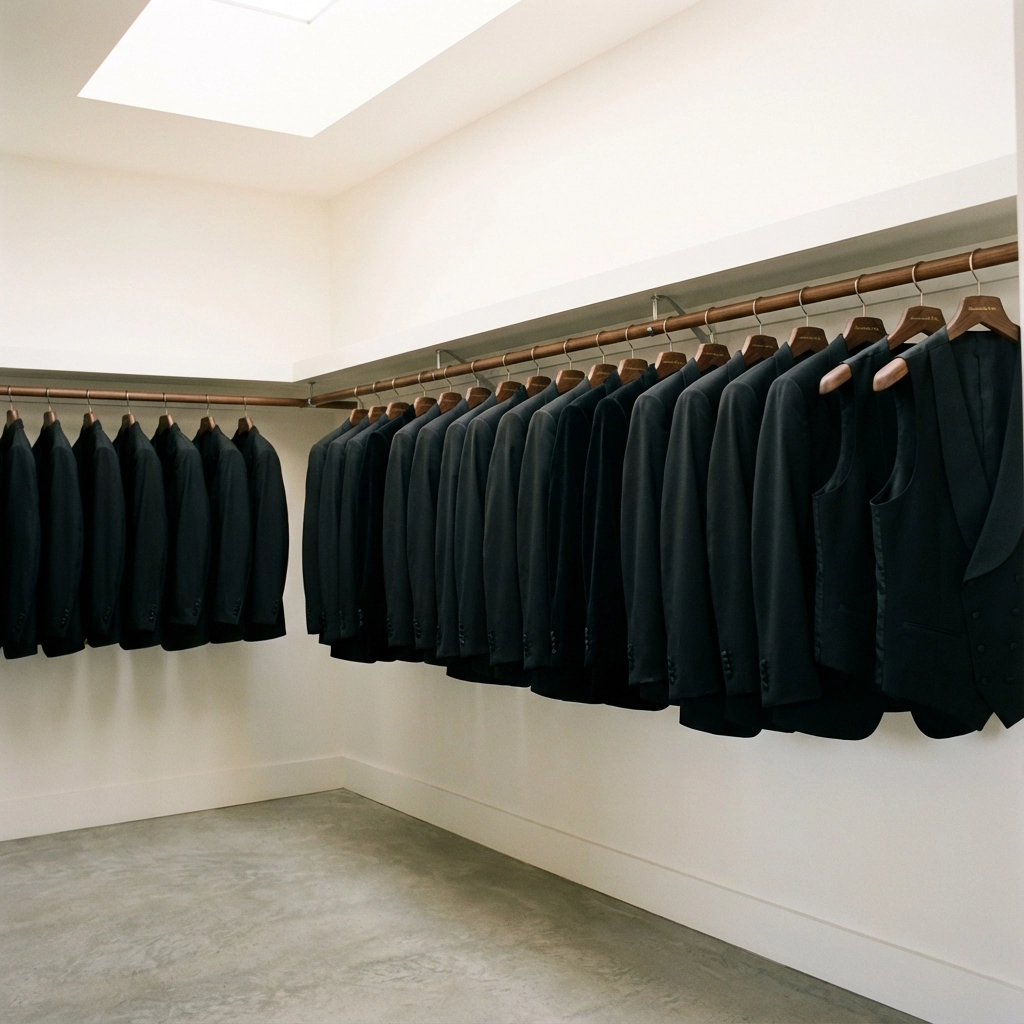
This approach works because it eliminates decision paralysis for customers while maximizing your return on investment. Instead of spreading your budget across hundreds of mediocre pieces, you invest in fewer, higher-quality items that command premium rental prices and photograph exceptionally well for social media marketing.
The key is choosing pieces that work for multiple occasions. A classic black tuxedo jacket in premium fabric serves weddings, galas, award ceremonies, and corporate events. Smart operators know that versatility equals profitability.
Secret #2: The "Reverse Season" Purchasing Power Play
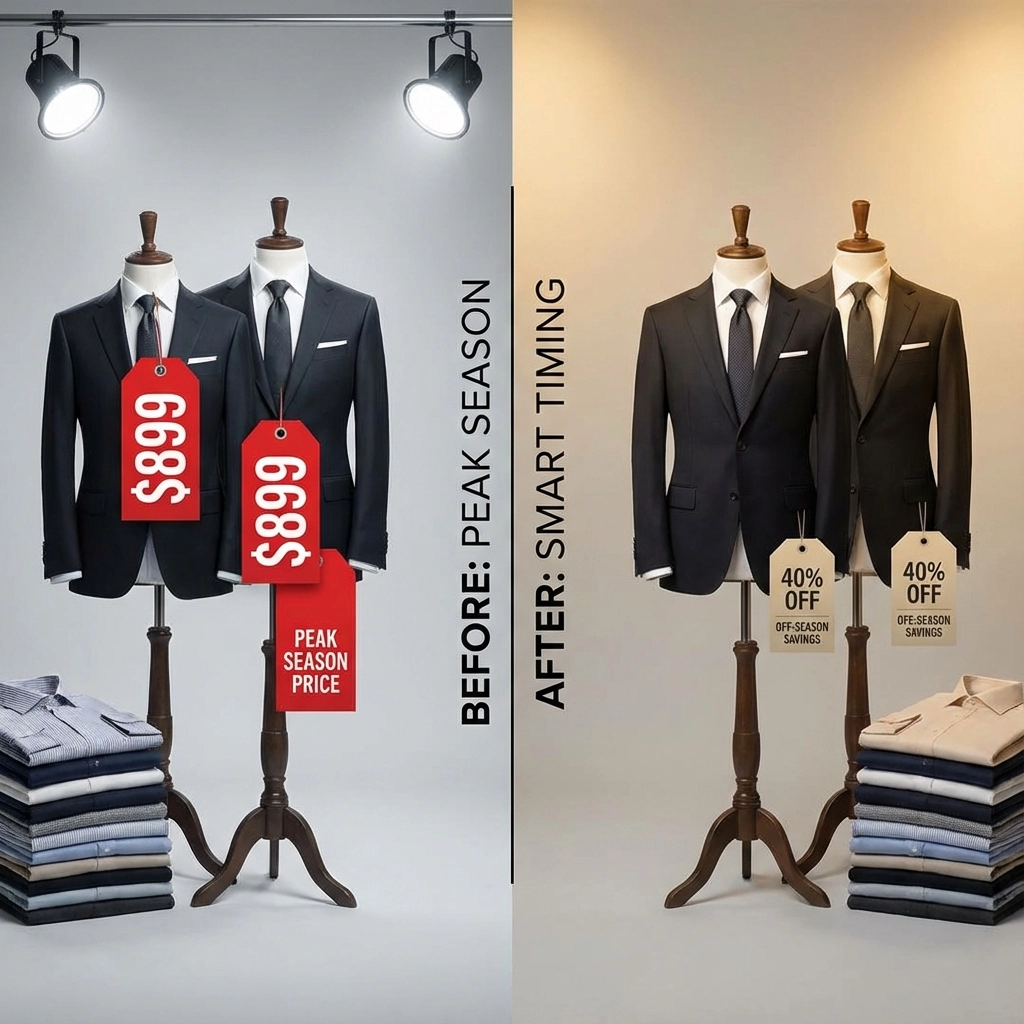
While your competitors are buying formal wear at full retail prices during peak season, successful rental stores are playing a completely different game. They're purchasing next season's inventory during off-peak times when wholesalers are desperate to move merchandise.
The strategy works like this: buy fall and winter formal wear in late spring and summer when wholesalers offer deep discounts on seasonal inventory. Then flip the script for spring and summer pieces, purchasing them during winter months.
Secret #3: The "Premium Documentation" System
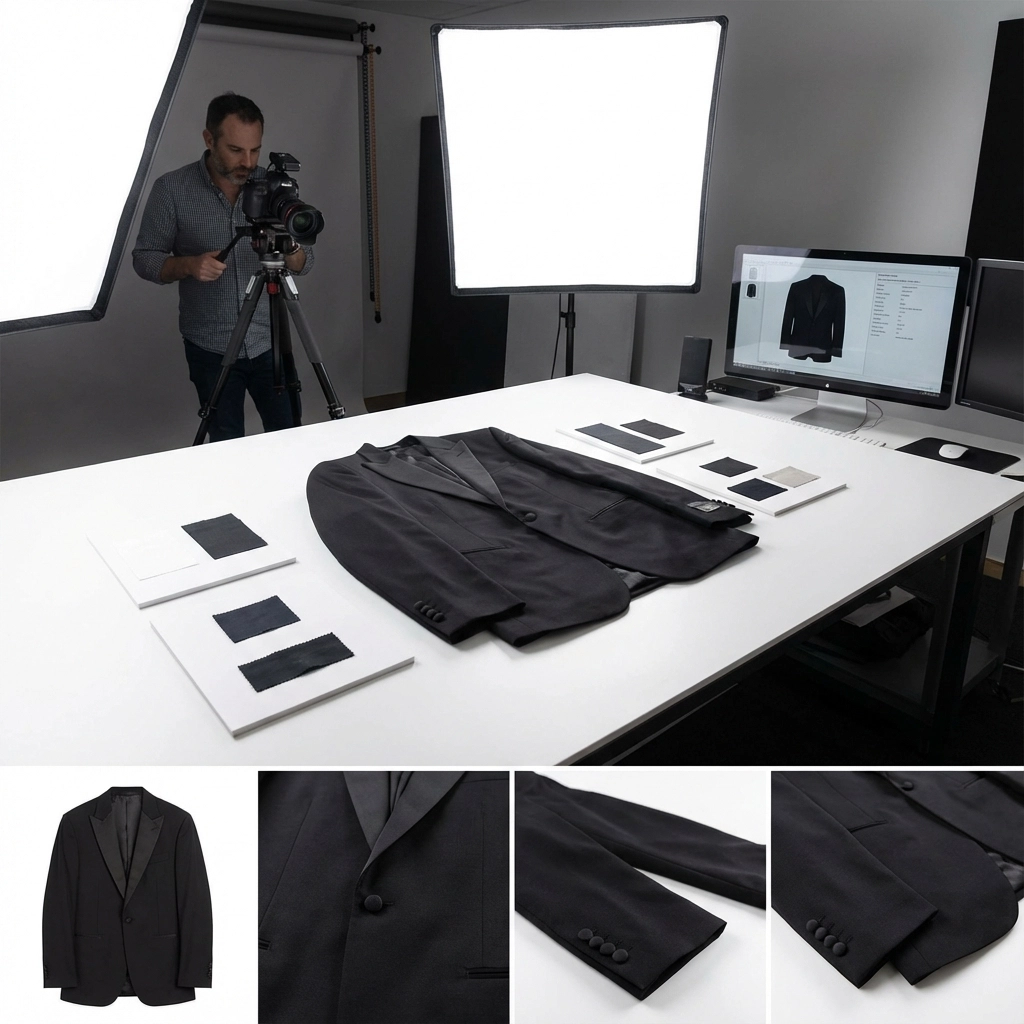
Here's a secret that separates amateur rental operations from professional ones: meticulous condition documentation. Successful stores photograph every single item from multiple angles before each rental, creating a digital paper trail that protects their investment and ensures customer satisfaction.
But here's the twist most retailers miss: they're not just documenting for damage protection. Smart operators use these photos as marketing content, showing potential customers exactly what condition they can expect. They post these "before rental" photos on social media, creating transparency that builds trust and demonstrates their commitment to quality.
The system works because customers feel confident knowing their rental will arrive in pristine condition, while the documentation protects your inventory investment. One formal wear rental operation credits this system with reducing damage disputes by 90% while increasing customer retention rates.
Secret #4: The "Occasion Upsell" Revenue Multiplier
While most retailers think of rentals as one-time transactions, successful operators build systematic upselling into every customer interaction. They've discovered that customers who rent formal jackets are prime candidates for complete outfit packages.
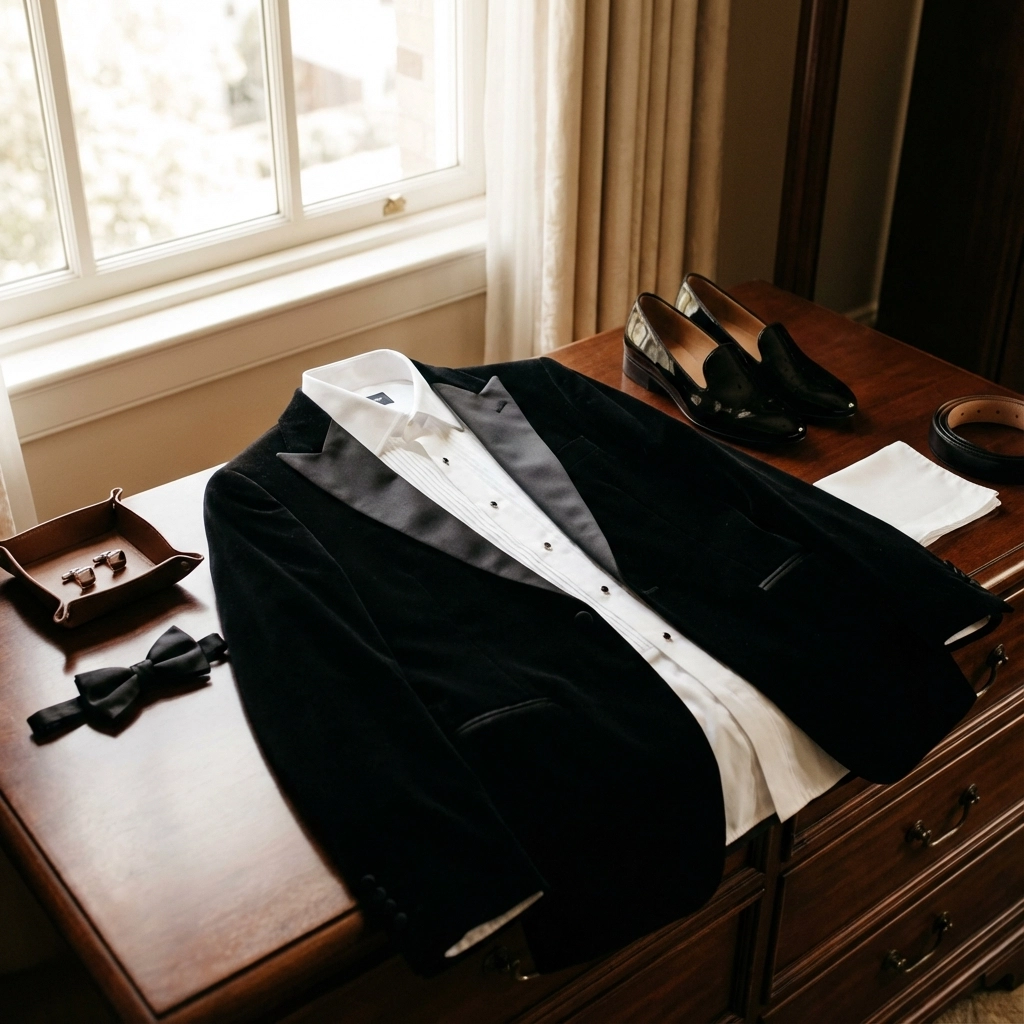
The secret is timing the upsell conversation during the initial fitting or consultation. When a customer is trying on a premium tuxedo jacket, successful operators seamlessly introduce matching accessories, formal dress shirts, and complementary pieces.
The psychology works because customers are already committed to looking their best for important occasions. Once they've decided to rent formal wear, they're mentally prepared to invest in the complete experience.
Secret #5: The "Community Catalyst" Marketing System
Successful rental stores have discovered that their customers become their most effective marketing team: but only when properly activated. The secret isn't just encouraging social media posts; it's creating systematic opportunities for customer advocacy.
Top operators implement what we call "share incentive programs." Customers who post photos wearing their rental pieces receive credits toward future rentals. But here's the sophisticated part: they provide specific hashtags and encourage customers to tag the location where they wore the outfit.
This creates a powerful local marketing ecosystem. When someone searches for formal wear in your city, they discover real customers wearing your pieces at local venues and events. The social proof is invaluable and costs virtually nothing to implement.
One formal wear rental business credits this strategy with generating 70% of their new customers through referrals and social media discovery, while spending less than $200 monthly on traditional advertising.
Secret #6: The "Event Calendar" Inventory Strategy
Here's perhaps the most valuable secret successful rental stores use: they build their entire inventory strategy around local event calendars rather than general market trends. While most retailers stock based on what wholesalers are pushing, smart operators research their local market's specific formal wear needs.
They identify major annual events in their area: charity galas, award ceremonies, corporate functions, wedding seasons: and tailor their inventory accordingly. If your city hosts a major black-tie fundraiser every March, you stock accordingly. If the local country club has monthly formal dinners, your inventory reflects those needs.
This hyperlocal approach allows successful operators to command premium prices because they're solving specific problems for their community. Instead of competing on generic formal wear, they become the go-to source for specific local occasions.
Secret #7: The "Maintenance Investment" Profit Protection
While most retailers view cleaning and maintenance as necessary expenses, successful rental operations treat garment care as a competitive advantage and profit protector. They've discovered that superior maintenance systems aren't just about preserving inventory: they're about commanding premium prices.
The secret is investing in professional-grade garment care equipment and partnering with high-end dry cleaning services. When customers receive formal wear that looks and feels new, they're willing to pay significantly more for the experience.
The key insight: customers associate garment condition with overall service quality. When your formal accessories and jackets arrive in pristine condition, customers assume your entire operation is premium.
The Bottom Line: Execution Beats Ideas
The most successful formal wear rental operators we work with aren't necessarily the most creative or innovative. They're the most systematic in executing proven strategies that maximize profitability while delivering exceptional customer experiences.
These "secrets" aren't really secrets: they're simply strategies that require discipline, investment, and systematic implementation. Most retailers know some of these concepts but fail to execute them consistently.

The rental market represents an enormous opportunity for forward-thinking formal wear retailers. While your competitors focus on traditional sales models, you have the chance to build recurring revenue streams that generate profits long after the initial inventory investment.
The question isn't whether formal wear rentals are profitable: successful operators prove daily that they are. The question is whether you're ready to implement the systematic approaches that separate thriving rental operations from struggling ones.
At Cardi International, we've helped numerous retailers transition into profitable rental operations using these exact strategies. The opportunity exists, the demand is proven, and the playbook is clear.
The only question remaining is whether you'll implement these strategies before your competitors discover them.